
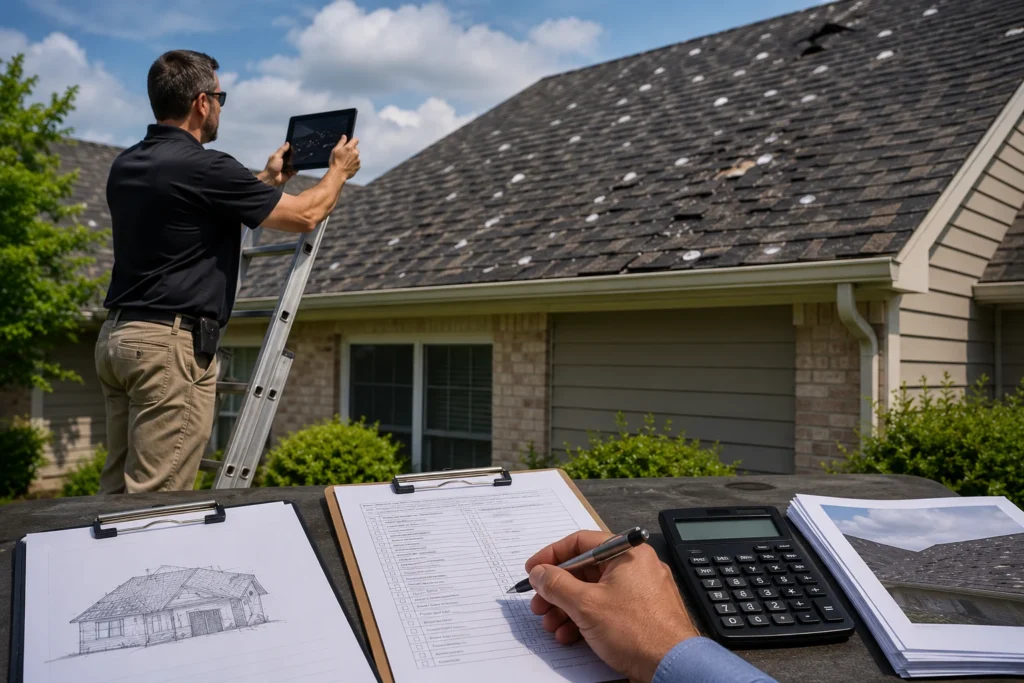
A roof hail damage insurance claim Texas homeowners file after a major storm can mean the difference between a fully restored property and thousands of dollars in unexpected repair costs. Hailstorms strike Texas every year, and when they do, roofs often absorb the majority of the damage. Unfortunately, many homeowners do not discover the full extent of that damage until leaks, deterioration, or claim disputes begin to surface months later. I have seen homeowners assume their roof survived a storm because everything looked normal from the ground. Then the first heavy rain arrived. Suddenly ceilings stained, insulation became saturated, and repair costs climbed.
The reality is simple. Hail damage is not always obvious. Whether your home has asphalt shingles, metal roofing, or tile roofing, understanding how hail affects different materials can help you protect your investment and strengthen your insurance claim. If you live in Midland or anywhere across Texas, this guide will walk you through the entire process from identifying damage to navigating supplements and understanding why professional claim representation often changes the outcome. Much like a complex system studied in Tribology, the science of friction, wear, and surface interactions, roofing materials experience repeated environmental stress over time, making them more vulnerable when hail impacts occur.
Understanding Hail Damage and Why It Matters
Hail is unique compared to many other weather events. Wind may lift shingles. Rain may expose weak areas. Hail does both direct and indirect damage. When hailstones strike a roof, the impact creates concentrated force. Depending on the size of the hail and the roofing material involved, that force can crack, dent, fracture, loosen, or weaken critical roofing components. Some damage is visible immediately. Other damage remains hidden for months. That hidden damage is often where claim disputes begin.
Insurance companies generally look for evidence of functional damage. Homeowners often focus on visible damage. Those two perspectives do not always align. The result? Disagreements regarding scope, repairs, and settlement amounts. Understanding what damage looks like is the first step toward protecting your roof and your claim.
How Hail Impacts Roofing Systems
Not every hailstorm produces the same level of destruction. The size, density, wind speed, roof age, and roofing material all influence the severity of damage. A quarter-sized hailstone striking a new roof may cause less damage than the same hailstone striking an aging roofing system that has already endured years of heat and weather exposure.
Texas homeowners often discover that roof damage is cumulative. Multiple storms over several years may gradually weaken roofing materials. Then one major hail event pushes the roof beyond its ability to perform properly. That is why professional inspections matter. The damage you see may only represent a small portion of what actually occurred.
How to Identify Hail Damage by Roof Type
Different roofing systems react differently to hail impacts. Recognizing those differences can help homeowners identify problems early and pursue a stronger roof hail damage insurance claim Texas process.
Hail Damage on Asphalt Shingle Roofs
Asphalt shingles remain the most common roofing material throughout Texas. Unfortunately, they are also highly susceptible to hail damage.
Granule Loss
Granules serve as the protective outer layer of asphalt shingles. After a hailstorm, you may notice:
- Dark spots
- Exposed asphalt
- Granule accumulation in gutters
- Uneven roof coloration
Granule loss accelerates deterioration and exposes shingles to harmful ultraviolet rays.
Bruising and Soft Spots
One of the most common signs of hail damage involves bruising. These impact areas may appear as:
- Soft spots
- Circular marks
- Compressed surfaces
While bruising may seem minor, it often weakens the integrity of the shingle.
Fractured Shingles
Larger hailstones can crack shingles outright. When fractures occur, water infiltration becomes much more likely.
Over time, this may result in:
- Roof leaks
- Rotting wood
- Interior water damage
- Mold growth
Exposed Reinforcement Layers
In severe cases, hail can expose fiberglass matting beneath the shingle surface. This level of damage often indicates substantial roof degradation.
Hail Damage on Metal Roofs
Metal roofs have earned a reputation for durability. However, they are not immune to hail.
Cosmetic Dents
The most obvious damage appears as dents. Some dents affect only appearance. Others impact roof functionality. Determining the difference requires professional evaluation.
Damaged Seams and Fasteners
Standing seam metal roofs depend on properly aligned connections.
Hail can:
- Distort seams
- Loosen fasteners
- Create vulnerable openings
Coating Damage
Protective finishes help prevent corrosion. When hail damages these coatings, long-term deterioration becomes possible.
Hidden Water Entry Points
Not every problem is visible. Minor distortions around seams and penetrations may allow moisture intrusion long after the storm has passed.
Hail Damage on Tile Roofs
Tile roofs are durable but vulnerable to concentrated impacts.
Cracked Concrete Tiles
Concrete tiles often fracture when struck by larger hailstones. Even small cracks can create future water intrusion issues.
Broken Clay Tiles
Clay tiles may chip or break entirely during severe storms. Replacing damaged pieces promptly is important to preserve roof performance.
Hidden Underlayment Damage
The underlayment beneath tile systems often sustains damage that homeowners cannot see. Professional inspections become especially important in these situations.
Displaced Tiles
When hail arrives alongside strong winds, tiles may shift out of position and expose vulnerable sections of the roof.
Other Areas Commonly Damaged by Hail
Roofing materials are only one part of the equation. Collateral damage often provides valuable evidence supporting a claim. Common impact areas include:
| Component | Common Hail Damage |
| Gutters | Dents and deformation |
| Downspouts | Impact marks |
| Flashing | Separation and dents |
| Skylights | Cracks and fractures |
| Window screens | Tears and punctures |
| HVAC equipment | Coil and fin damage |
| Roof vents | Dents and cracking |
| Fencing | Surface impacts |
When multiple exterior components show signs of hail damage, it often strengthens the overall claim documentation.
Understanding How Hail Size Affects Roof Damage
Not all hailstorms create the same level of destruction. Many homeowners assume only golf ball-sized hail causes meaningful roof damage. That assumption can be costly. Smaller hailstones frequently create cumulative damage over large portions of a roofing system. Repeated impacts may remove granules, weaken protective layers, and reduce overall roof life expectancy.
The following table provides a general comparison:
| Hail Size | Potential Damage |
| Pea-sized | Minor cosmetic impacts |
| Marble-sized | Light granule loss |
| Quarter-sized | Bruising and visible damage |
| Golf ball-sized | Significant roof impacts |
| Baseball-sized | Severe structural damage |
The age of the roof matters as well. Older shingles tend to become more brittle over time. When hail strikes these aging materials, cracking becomes more likely. This is another reason every hail damage on roof insurance claim deserves a thorough inspection rather than assumptions based solely on hail size.
Immediate Steps to Take After a Hailstorm
The first few hours after a storm matter. A lot. The actions you take immediately can affect both the condition of your property and the success of your insurance claim.
Prioritize Safety
Safety comes first. Always. Avoid climbing onto the roof immediately after a storm. Wet roofing surfaces become extremely dangerous.
Instead:
- Inspect from the ground
- Watch for power lines
- Look for debris hazards
- Stay clear of unstable structures
No insurance claim is worth risking personal injury.
Conduct a Ground-Level Inspection
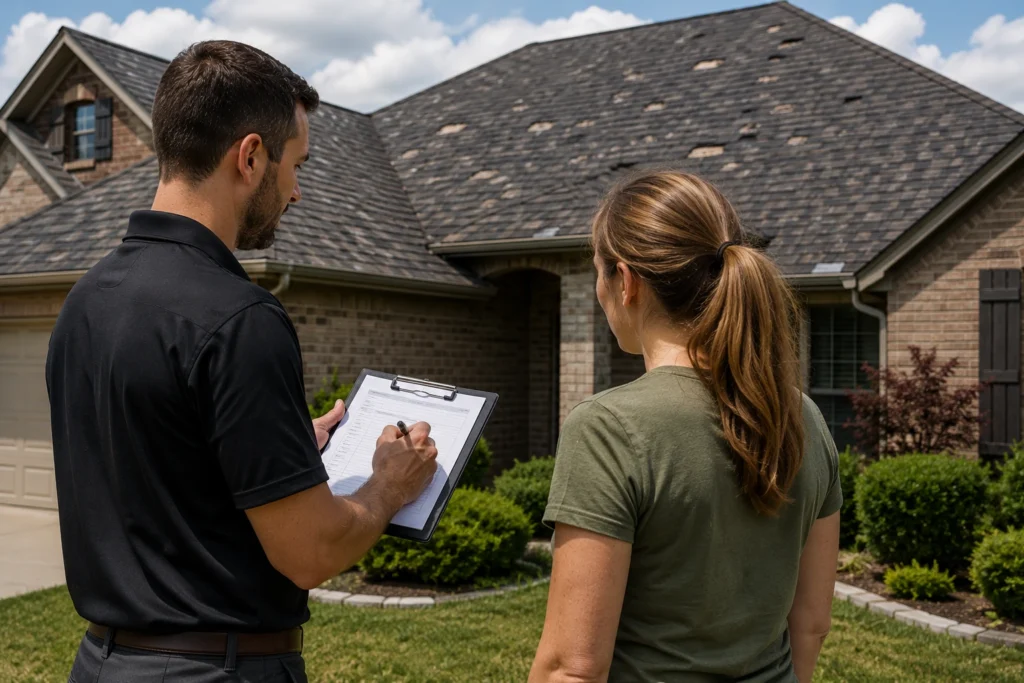
Walk around the property and document visible signs of storm damage.
Look for:
- Dented gutters
- Damaged screens
- Fallen branches
- Shingle fragments
- Broken exterior fixtures
These indicators often suggest roof damage exists above.
Prevent Additional Damage
Most insurance policies require homeowners to take reasonable steps to mitigate further loss.
Examples include:
- Installing emergency tarps
- Moving valuables away from leaks
- Using buckets to collect water
- Covering exposed areas
Keep all receipts. Those expenses may become part of the claim.
Contact a Qualified Roofing Professional
One of the most important steps is scheduling a professional inspection. Experienced inspectors often identify damage homeowners cannot safely see from the ground.
Professional documentation may reveal:
- Bruised shingles
- Cracked tiles
- Damaged flashing
- Ventilation issues
- Hidden water entry points
The sooner damage is documented, the stronger your position becomes.
Hidden Roof Damage That Homeowners Frequently Miss
One of the biggest challenges associated with a roof hail damage insurance claim Texas is hidden damage. Visible dents and missing shingles are easy to identify. The problems beneath the surface are not.
Common hidden issues include:
- Damaged underlayment
- Fractured reinforcement layers
- Loosened fasteners
- Broken seal strips
- Compromised flashing
- Damaged roof penetrations
Many of these conditions do not cause immediate leaks. Instead, they gradually worsen over time. Months later, homeowners may discover water intrusion and wonder what happened. The answer often traces back to the original hail event.
How to Document Damage for Your Insurance Claim
Documentation often determines the strength of a claim. Strong evidence creates leverage. Weak documentation creates uncertainty.
Create a Detailed Photo Record
Photographs should include both wide-angle and close-up images.
Capture:
- Roof surfaces
- Gutters
- HVAC units
- Exterior elevations
- Water stains
- Interior damage
The goal is to create a complete visual record of conditions following the storm. When homeowners begin researching How to Document Hail Damage for an Insurance Claim, they often focus only on roof photographs. However, the strongest claim files typically include much more than pictures. Weather reports, inspection notes, contractor findings, repair estimates, and a detailed timeline of events can all help establish the extent of the damage and support a more accurate evaluation.
Record Storm Information
Document:
- Date of loss
- Approximate storm time
- Hail size
- Weather conditions
- Local storm reports
Supporting weather data often becomes valuable later in the claims process.
Maintain a Claim Journal
Create a timeline of events.
Include:
- Inspection dates
- Phone conversations
- Adjuster visits
- Contractor meetings
- Repair discussions
These records help eliminate confusion later.
Gather Supporting Documents
Useful documents include:
- Roofing inspection reports
- Contractor estimates
- Maintenance records
- Prior repair invoices
- Emergency mitigation receipts
Well-organized claim files frequently lead to smoother claim handling.
Filing a Roof Hail Damage Insurance Claim in Texas
Once documentation is complete, the formal claims process begins. Understanding what comes next helps homeowners set realistic expectations and avoid common mistakes.
Filing a Roof Hail Damage Insurance Claim in Texas
Once documentation is complete, the formal claims process begins. Many homeowners assume the insurance company inspection automatically determines the final outcome. It doesn’t. The claims process often involves multiple inspections, estimate revisions, supplemental requests, and negotiations before the scope of repairs is finalized. Understanding each step can help you avoid surprises.
Step 1: Report the Loss
Notify your insurance carrier as soon as possible after discovering damage.
Be prepared to provide:
- Policy information
- Date of loss
- Property address
- Basic description of damages
Prompt reporting demonstrates diligence and helps preserve evidence.
Step 2: Insurance Inspection
After the claim is opened, the carrier typically assigns an adjuster to inspect the property.
The adjuster’s responsibilities generally include:
- Evaluating damage
- Photographing affected areas
- Measuring roof sections
- Identifying covered damage
- Preparing an estimate
This estimate becomes the foundation of the claim. However, it should not automatically be viewed as complete.
Step 3: Coverage Evaluation
The insurance company reviews:
- Policy language
- Cause of loss
- Damage findings
- Exclusions and limitations
Once that review is complete, a coverage determination is issued.
Step 4: Initial Settlement
The carrier prepares an estimate and issues payment according to policy terms. Many homeowners believe the claim is finished at this point. In reality, this is often where the most important discussions begin. Contractors, roofing specialists, and public adjusters frequently discover missing items after reviewing the initial estimate. As a result, many hail damage on roof insurance claim files continue evolving long after the first payment is issued.
Actual Cash Value vs. Replacement Cost
One of the most misunderstood aspects of insurance claims involves claim valuation. The difference between Actual Cash Value and Replacement Cost can significantly affect what homeowners receive.
| Actual Cash Value (ACV) | Replacement Cost Value (RCV) |
| Depreciation deducted | Full replacement basis |
| Lower initial payment | Higher total recovery |
| Based on age and condition | Based on replacement expenses |
| Often paid first | Additional funds available later |
Many Texas homeowners receive an initial ACV payment. Once repairs are completed and documented, additional recoverable depreciation may become available under the policy. Failing to understand this process often creates unnecessary confusion during a roof hail damage insurance claim Texas.
Deadlines Texas Homeowners Should Understand
Every policy contains conditions that affect claim handling.
While exact requirements vary, homeowners should pay close attention to:
- Claim reporting deadlines
- Proof of loss requirements
- Documentation requests
- Repair completion deadlines
- Recoverable depreciation deadlines
Waiting too long can complicate even valid claims. The best approach is to begin documenting and reporting damage as soon as it is discovered.
What Insurance Carriers Commonly Miss in Their Scope
This is where many claim disputes originate. The issue is not necessarily claim denial. The issue is often claim completeness. Insurance estimates may occasionally overlook legitimate repair requirements that become apparent during detailed inspections or construction.
Missing Roofing Components
Some of the most common omissions include:
- Starter shingles
- Ridge caps
- Hip caps
- Drip edge
- Flashing
- Pipe boots
- Vent replacements
Individually, these items may seem small. Together, they can add thousands of dollars to a repair project.
Underestimated Labor Costs
Roof replacement involves much more than installing shingles.
Additional labor considerations often include:
- Steep roof charges
- Multi-story access
- Material transportation
- Safety requirements
- Equipment setup
These costs can vary significantly depending on the property.
Building Code Requirements
Modern building codes frequently require upgrades when roofing systems are replaced.
Potential code-related expenses include:
- Flashing improvements
- Ventilation upgrades
- Fastener requirements
- Underlayment standards
Failure to identify these items can create substantial supplemental costs later.
Matching Material Challenges
Material matching can become a major issue. Especially after severe hail events. Manufacturers discontinue products. Colors fade. Product lines change. As a result, repairing only a portion of a roof may create appearance and performance concerns. Many disputes surrounding hail roof damage insurance involve questions regarding matching materials and uniform appearance.
Real-World Examples of Commonly Missed Damage
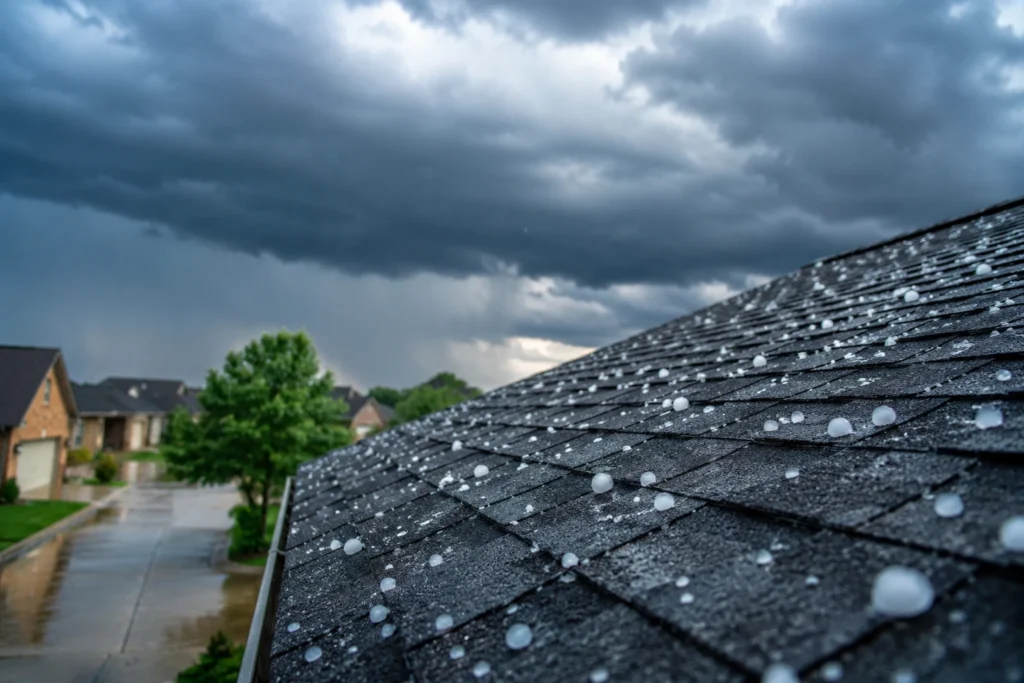
Many homeowners are surprised by what is not included in an initial estimate. Consider a few examples.
Missing Starter Shingles
Starter materials help secure roof edges and improve wind resistance. Some estimates include replacement shingles but overlook starter components entirely.
Damaged Flashing
Flashing protects some of the most vulnerable portions of a roofing system. When flashing is dented, separated, or compromised, water intrusion becomes more likely.
Ventilation Components
Roof vents frequently sustain hail impacts. These components may require replacement even when surrounding roofing materials appear intact.
Gutter Damage
Gutters often serve as some of the clearest evidence of storm severity. Dented gutters may support the overall claim and require replacement themselves. These examples demonstrate why thorough estimate review matters.
Understanding the Insurance Supplement Process
Supplements play a major role in hail claims. Yet many homeowners never hear the term until repairs begin.
What Is a Supplement?
A supplement is a request for additional claim funds after the original estimate has been issued. Supplements are not unusual. In fact, they are extremely common in roofing claims. Construction often reveals conditions that were impossible to identify during the initial inspection.
Common Reasons Supplements Are Filed
Examples include:
- Hidden decking damage
- Additional flashing requirements
- Ventilation modifications
- Code upgrades
- Material price increases
- Previously concealed impacts
These discoveries frequently occur after roofing materials are removed.
Supporting a Supplement
Successful supplements require documentation.
Helpful evidence often includes:
- Photographs
- Measurements
- Contractor findings
- Manufacturer specifications
- Building code references
The stronger the documentation, the stronger the supplemental request. Many disputes arise because the initial estimate does not capture every damaged component. In fact, discussions surrounding Hail Damage Claim Supplements: What Carriers Miss in Their Scope often involve overlooked flashing, starter shingles, ridge caps, ventilation components, code upgrades, and labor requirements that become apparent only after repairs begin.
Why Supplements Matter
Without supplements, homeowners may be forced to absorb legitimate repair expenses themselves. A properly supported supplement helps ensure repairs reflect the actual work required to restore the property. The goal is not overpayment. The goal is accuracy. That distinction matters.
Questions Homeowners Should Ask During the Claim Process
Active participation often improves outcomes. Ask questions. Lots of them.
Important examples include:
- Has every roof slope been inspected?
- Were collateral damages documented?
- Are all damaged components included?
- Were local code requirements considered?
- Are matching issues being addressed?
- Will additional inspections occur?
- What supports the estimate calculations?
The more informed you are, the easier it becomes to identify potential issues early.
Why Midland Homeowners Face Unique Hail Risks
West Texas storms are unique. And Midland homeowners know that firsthand. The region experiences powerful weather systems capable of producing damaging hail, strong winds, and rapid storm development.
A roof in Midland may face:
- Intense UV exposure
- Significant temperature swings
- High wind events
- Repeated hailstorms
These factors accelerate wear and increase vulnerability to future storm damage. A roof that appears functional before a hailstorm may already be weakened by years of environmental exposure. When hail strikes, damage can be much more significant than homeowners expect. Because large storms often affect entire neighborhoods simultaneously, insurance carriers may process a substantial number of claims at once. That volume sometimes results in rushed inspections or incomplete scopes. For homeowners in Midland, detailed documentation and independent inspections can be particularly valuable.
What to Do If Your Hail Claim Was Denied
Claim denial does not automatically mean the matter is closed. Many denied claims are later reconsidered after additional evidence becomes available. If you are searching for What to Do If Your Hail Claim Was Denied in Midland, TX, the first step is to carefully review the denial letter and compare it against your policy language and inspection findings. Additional inspections, engineering reports, contractor documentation, and claim reviews may uncover information that was not considered during the original evaluation.
Potential next steps may include:
- Obtaining another inspection
- Requesting estimate review
- Providing supplemental documentation
- Seeking professional claim assistance
- Reviewing policy provisions
The key is understanding why the claim was denied before determining the best path forward.
Common Mistakes That Hurt Hail Claims
Even strong claims can encounter challenges when mistakes occur early in the process. Avoiding these pitfalls can significantly improve outcomes.
Waiting Too Long
Delays create problems. Evidence changes. Damage worsens. Memories fade. Prompt reporting is always preferable.
Taking Too Few Photos
Photographs provide objective evidence. Without them, proving damage becomes more difficult. Document extensively. Then document some more.
Accepting the First Estimate Without Review
The initial estimate is not always complete. Professional review frequently identifies additional considerations that deserve attention.
Throwing Away Damaged Materials
Retain damaged roofing materials whenever possible. Those materials may later become important evidence.
Making Permanent Repairs Too Quickly
Emergency mitigation is often necessary. Permanent repairs, however, should generally occur after proper claim documentation has been completed.
Why Accurate Documentation Creates Better Outcomes
Successful claims rarely happen by accident. They are built through preparation.
The homeowners who achieve the strongest outcomes typically:
- Document thoroughly
- Preserve evidence
- Maintain organized records
- Review estimates carefully
- Ask questions consistently
These actions create a stronger foundation for every stage of the claim process.
Why a Public Adjuster Changes the Outcome
Many homeowners first learn about public adjusters after claim challenges arise. Unfortunately, by that point valuable opportunities may already have been missed. The reality is that hail claims are often more complicated than they initially appear. Roof damage may extend beyond visible impacts. Building code requirements may apply. Roofing components may be overlooked. Supplemental items may emerge during construction. A public adjuster helps manage these issues. Most importantly, a public adjuster works for the policyholder not the insurance company.
What a Public Adjuster Does
A public adjuster represents the homeowner throughout the claim process.
Typical responsibilities include:
- Reviewing policy language
- Documenting damage
- Preparing claim information
- Evaluating estimates
- Identifying missing scope items
- Supporting supplemental requests
- Negotiating claim settlements
The goal is not conflict. The goal is accuracy. A properly documented claim benefits everyone involved because it helps ensure the property is restored correctly.
Public Adjuster vs Insurance Adjuster
Understanding the distinction is important. Many homeowners assume all adjusters perform the same role. They do not.
| Insurance Adjuster | Public Adjuster |
| Represents insurer | Represents homeowner |
| Evaluates claim for carrier | Evaluates claim for policyholder |
| Creates carrier estimate | Reviews scope for completeness |
| Works for insurance company | Works for claimant |
| Determines covered damage | Documents all covered damage |
Homeowners frequently research Public Adjuster vs. Insurance Adjuster for Hail Claims in Midland, TX when trying to understand why claim estimates sometimes differ. While insurance adjusters work on behalf of the carrier to evaluate covered damage, public adjusters represent policyholders and focus on documenting the full scope of covered losses and supporting the claim throughout the negotiation process.
How Public Adjusters Improve Claim Accuracy
One of the biggest advantages a public adjuster provides is attention to detail.
A detailed review often identifies:
- Missing roofing components
- Additional damage
- Code-related requirements
- Labor considerations
- Matching concerns
- Supplemental opportunities
These findings may significantly affect the final claim outcome. For many homeowners, the difference is not whether damage exists. The difference is whether every damaged item is properly documented.
Why Midland Homeowners Often Benefit From Professional Representation
Midland experiences severe Weathering events capable of producing substantial roof damage. Large hail, strong winds, and rapidly changing weather patterns create unique challenges for property owners. The roofing systems themselves can also be complex.
Homes may include:
- Multiple roof elevations
- Various roofing materials
- Specialty flashing systems
- Large square footage
- Multiple penetrations
These factors increase the likelihood that important repair requirements may be overlooked during initial inspections. For homeowners throughout Midland, detailed claim evaluation often provides significant value.
What to Do If Your Hail Claim Was Denied
Receiving a denial letter can feel frustrating. Sometimes overwhelming. However, a denial does not necessarily mean the matter is over. Insurance decisions are based on the information available at the time of review. Additional evidence may change that evaluation. If you are searching for What to Do If Your Hail Claim Was Denied in Midland, TX, the first step is to carefully review the denial letter and compare it against your policy language and inspection findings. Additional inspections, engineering reports, contractor documentation, and claim reviews may uncover information that was not considered during the original evaluation.
Potential next steps include:
- Obtaining another inspection
- Requesting estimate review
- Submitting additional documentation
- Filing supplemental information
- Consulting professional claim representation
The key is understanding why the claim was denied before determining how to respond.
Common Mistakes That Hurt Hail Claims
Even legitimate claims can encounter problems. In many cases, the challenges are avoidable. Here are some of the most common mistakes homeowners make after a hailstorm.
Waiting Too Long to Report Damage
Time matters. The longer damage goes unreported, the more difficult documentation often becomes. Prompt reporting helps preserve evidence and supports claim credibility.
Failing to Take Enough Photographs
Photographs provide objective evidence. Without them, disputes become more difficult to resolve. Take photographs immediately after the storm and continue documenting conditions throughout the claim process.
Accepting the First Estimate Without Review
Insurance estimates should be reviewed carefully. Many initial estimates are accurate. Others may contain omissions. Professional review often identifies items requiring additional consideration.
Throwing Away Damaged Materials
Damaged roofing materials may become valuable evidence. Whenever practical, preserve damaged components until the claim is fully resolved.
Making Permanent Repairs Too Soon
Emergency mitigation is usually appropriate. Permanent repairs should generally occur after the damage has been properly documented and reviewed. Otherwise, important evidence may disappear.
Why Accurate Documentation Creates Better Outcomes
Strong claims are rarely accidental. They are built through preparation.
The homeowners who often achieve the best outcomes typically:
- Document extensively
- Maintain organized records
- Preserve evidence
- Review estimates carefully
- Communicate consistently
- Ask questions throughout the process
These habits help create a stronger foundation for claim evaluation. They also help reduce misunderstandings later.
Protecting Your Roof and Your Insurance Rights
A successful roof hail damage insurance claim Texas homeowners can rely on begins long before settlement discussions occur. It starts with recognizing damage, documenting conditions, preserving evidence, and understanding how the claims process works. Hail damage is rarely limited to what is visible from the driveway. Hidden impacts, overlooked roofing components, code requirements, and supplemental items frequently influence the final repair scope. That is why every hail damage on roof insurance claim deserves careful evaluation.
For homeowners dealing with hail roof damage insurance concerns, taking immediate action after a storm can dramatically improve outcomes. Document thoroughly. Schedule inspections promptly. Keep detailed records. Review every estimate carefully. The claims process does not always end with the first inspection or the first payment. In many cases, the most important discoveries occur later through supplemental reviews and detailed construction evaluations.
Whether you live in Midland, elsewhere in West Texas, or anywhere across the state, understanding the process puts you in a stronger position to protect your roof, your home, and your financial interests. A properly managed roof hail damage insurance claim Texas property owners file today can help ensure the repairs completed tomorrow truly restore the property to its pre-loss condition. When storms strike, preparation matters. Documentation matters. And understanding the process may be one of the most valuable tools a homeowner has.
FAQs
Common signs include bruised shingles, granule loss, dents on metal surfaces, cracked tiles, and damage to gutters or vents. A professional inspection can identify hidden damage that may not be visible from the ground.
You should document the damage and notify your insurance company as soon as possible. Prompt reporting helps preserve evidence and avoid potential claim complications.
It depends on the extent of the damage, your policy language, and whether repairs can fully restore the roof. Significant functional damage may support full replacement.
Keep photographs, inspection reports, repair estimates, weather records, receipts, and a timeline of all communications related to the claim.
A supplement is a request for additional claim funds when hidden damage or overlooked repair items are discovered after the initial estimate is issued.
Some damage is not visible during the first inspection, while other items such as flashing, code upgrades, or ventilation components may be overlooked.
Many policies allow supplemental requests when additional covered damage is discovered. Documentation is critical to support those findings.
Review the denial letter carefully, gather additional evidence, and consider obtaining an independent inspection to evaluate whether damage was missed.
A public adjuster represents the policyholder, documents damages, reviews estimates, and helps negotiate a more complete claim settlement.
Simple claims may be resolved within a few weeks, while complex claims involving supplements or disputes can take several months.