

A Hail Damage Claim Supplements: What Carriers Miss in Their Scope review can be the difference between a fully funded repair and thousands of dollars in uncovered expenses. Many homeowners assume the insurance estimate they receive after a hailstorm represents the complete cost of restoring their property. Unfortunately, that is not always the case. Initial carrier scopes frequently miss important components, labor requirements, code upgrades, and hidden damage that only become apparent after a closer inspection. As a result, many claims require supplements to ensure the final settlement reflects the true cost of repairs.
In Midland, hailstorms are not rare events. They are part of life. Homeowners throughout Midland have seen firsthand how quickly a severe storm can damage roofing systems, gutters, siding, windows, HVAC equipment, and other exterior components. Yet despite the frequency of these storms, many policyholders remain unaware of how often legitimate repair items are overlooked during the claims process. Let’s pull back the curtain and examine what carriers commonly miss, why supplements matter, and how Xactimate expertise can significantly impact claim outcomes.
What Is a Hail Damage Claim Supplement?
A supplement is an additional request for payment submitted after the initial insurance estimate has been reviewed or after additional damage is discovered. Contrary to popular belief, supplements are not disputes. They are not accusations. They are not lawsuits. They are simply a standard part of property insurance claims.
The reality is straightforward: an adjuster performs an inspection based on the information available at the time. Later, contractors, engineers, public adjusters, or restoration professionals may uncover additional work required to properly complete repairs. When that happens, the claim must be updated. That update is called a supplement.
Why Supplements Are Common
Hail damage claims often involve:
- Multiple building systems
- Hidden roofing damage
- Code compliance issues
- Manufacturer installation requirements
- Safety-related labor charges
- Material pricing fluctuations
Each of these factors creates opportunities for omissions. And omissions add up quickly. A missing $150 line item may not seem significant. Ten missing line items can easily create a several-thousand-dollar shortfall.
How Insurance Carriers Create Their Initial Scope
Most carrier inspections follow a similar process. The adjuster arrives at the property. Photographs are taken. Measurements are gathered. Visible damage is documented. An estimate is prepared using Xactimate. The estimate then becomes the foundation of the claim settlement. While this process sounds comprehensive, real-world conditions often create limitations.
Why Initial Scopes Are Often Incomplete
Several factors contribute to missing items:
| Common Challenge | Potential Impact |
| Large storm volume | Faster inspections |
| Limited roof access | Missed damage areas |
| Safety restrictions | Incomplete documentation |
| Time constraints | Missing components |
| Hidden conditions | Damage not visible initially |
| Aging structures | Code issues overlooked |
Following a major hail event in Midland, adjusters may inspect dozens of properties each week. Even highly experienced professionals can miss legitimate repair requirements when handling large claim volumes. This isn’t necessarily negligence. It’s simply reality.
The Most Common Items Missing From Hail Damage Scopes
One of the most valuable parts of a Hail Damage Claim Supplements: What Carriers Miss in Their Scope review involves identifying overlooked roofing components. These omissions occur frequently.
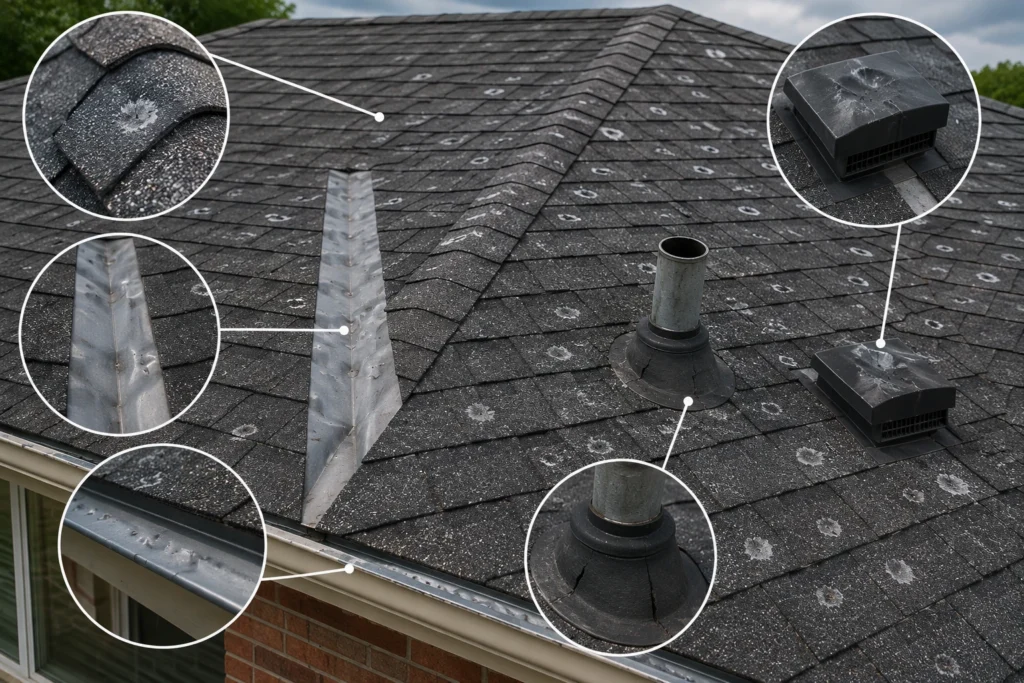
Starter Shingles
Starter shingles are installed along roof edges to provide wind resistance and proper sealing. Many initial estimates include field shingles but exclude starter materials. Without them, the roofing system may not meet manufacturer requirements.
Ridge Caps and Hip Caps
These specialized shingles cover roof peaks and hips. They experience direct weather exposure and often sustain hail damage independently from field shingles. Yet they are regularly omitted.
Drip Edge
Drip edge protects roof edges from water intrusion. Many local building codes require its installation. When missing from the estimate, homeowners often face unexpected out-of-pocket costs.
Valley Metal
Roof valleys handle large amounts of water flow. Hail frequently dents valley metal. Replacement may be required even when surrounding shingles appear intact.
Pipe Boots
Pipe penetrations create vulnerable points within roofing systems. Rubber pipe boots commonly crack, deteriorate, or sustain impact damage. These small components are surprisingly common supplement requests.
Roof Vents
Vents receive direct hail impact. Cracked or dented vents can affect attic ventilation and roof performance. Yet they are often overlooked during initial inspections.
Flashing Components Frequently Missed
Flashing protects areas where roofing materials meet walls, chimneys, skylights, and penetrations. Without proper flashing, water intrusion becomes a significant risk. Unfortunately, flashing replacement is frequently underestimated.
Common omissions include:
- Step flashing
- Counter flashing
- Headwall flashing
- Apron flashing
- Chimney flashing
Contractors often discover flashing damage during tear-off operations. By that point, supplementation becomes necessary.
Underlayment and Waterproofing Materials
Many homeowners never see these materials. That doesn’t make them less important. Underlayment acts as a secondary moisture barrier beneath shingles. When roofing systems are replaced, underlayment frequently requires replacement as well.
Commonly missed items include:
- Synthetic underlayment
- Ice and water barrier
- Valley liner
- Deck protection membranes
These components can add substantial costs to a project. Yet they often remain absent from the original scope.
Steep and High Roof Charges
Not all roofs are created equal. Some are difficult to access. Others require additional safety equipment.
Steep roofs frequently require:
- Additional labor
- Fall protection systems
- Specialized equipment
- Extended installation time
Xactimate contains line items designed specifically for these situations. However, those line items are not always included. A proper supplement review evaluates whether steep, high, or difficult access conditions justify additional compensation.
Debris Removal and Disposal Costs
Every roof replacement creates waste. Lots of it. Tear-off debris, damaged materials, packaging, nails, underlayment, flashing, and shingles must be removed and disposed of properly.
Commonly missed costs include:
| Disposal Item | Frequently Omitted |
| Dumpster rental | Yes |
| Dump fees | Yes |
| Hauling charges | Yes |
| Labor cleanup | Yes |
| Magnetic nail sweep | Occasionally |
| Material transport | Often |
These expenses are real. Contractors incur them every day. When omitted, project budgets suffer.
Hidden Hail Damage That Often Goes Undocumented
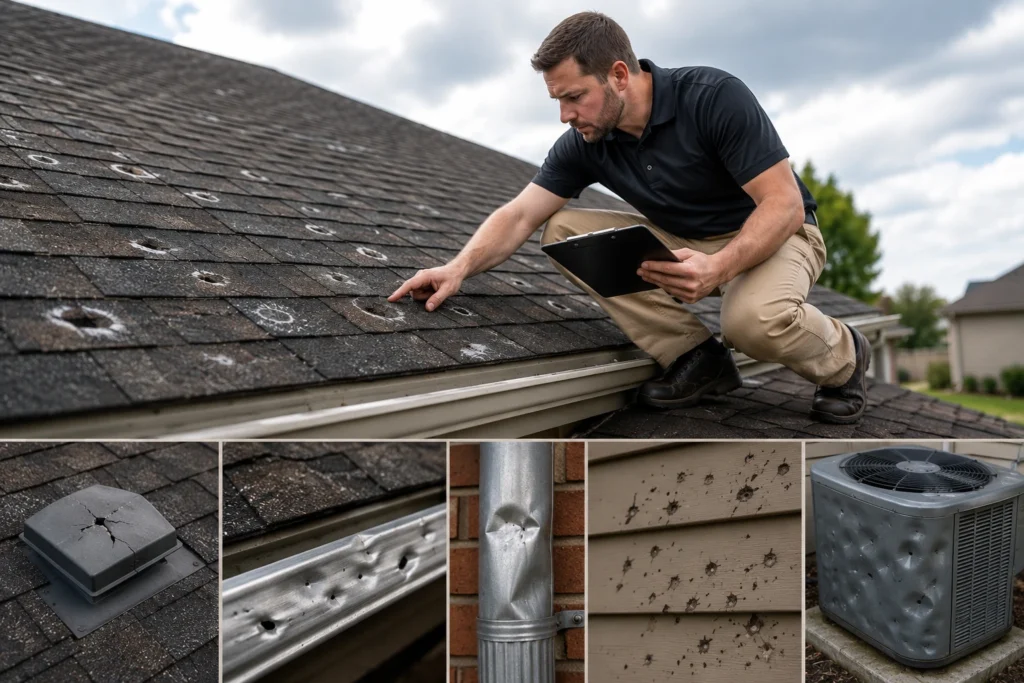
Visible damage only tells part of the story. Some hail impacts create subtle damage that requires close inspection. These conditions are among the most important reasons supplements exist.
Functional Shingle Damage
A shingle does not need to be completely destroyed to be compromised. Hail impacts can fracture reinforcement layers, weaken protective surfaces, or reduce expected lifespan. Functional damage often requires experienced evaluation.
Granule Loss
Protective granules shield shingles from ultraviolet exposure. Hail can dislodge granules without causing obvious punctures. Over time, premature aging may result.
Bruising
Hail strikes can create soft spots beneath shingle surfaces. These bruises may not be visible from the ground. However, they can compromise waterproofing performance.
Soft Metal Damage
Soft metals frequently reveal hail impacts better than shingles.
Examples include:
- Gutters
- Downspouts
- Roof vents
- Flashing
- Metal valleys
Soft metal damage often helps establish storm intensity and claim validity.
HVAC and Mechanical Equipment Damage
Many inspections focus heavily on roofing systems. Meanwhile, mechanical equipment receives less attention. This can be costly.
Hail commonly damages:
- Condenser fins
- Coil systems
- Vent covers
- Exhaust caps
- Mechanical housings
Even seemingly minor impacts can affect efficiency and lifespan. A thorough supplement review should include all affected building systems.
Gutters, Downspouts, and Exterior Components
Exterior systems frequently suffer collateral hail damage.
Commonly overlooked areas include:
- Gutters
- Downspouts
- Window screens
- Siding
- Fence staining
- Exterior paint finishes
- Garage doors
Individually, these items may seem minor. Collectively, they can significantly affect claim value.
Why Hidden Damage Creates Underpaid Claims
The financial impact of omissions often surprises homeowners.
| Missing Item | Estimated Value |
| Starter shingles | $350 |
| Ridge caps | $600 |
| Drip edge | $750 |
| Flashing replacement | $1,200 |
| Steep roof charges | $1,500 |
| Dumpster and disposal | $800 |
| Additional labor | $1,000 |
Total Potential Shortfall: $6,200 And that example is relatively modest. Larger homes can experience significantly greater gaps. This is why Hail Damage Claim Supplements: What Carriers Miss in Their Scope reviews remain so important. The issue is rarely a single missing item. The issue is cumulative underpayment.
Code Upgrade Issues Carriers Commonly Miss
Building codes evolve constantly. What was acceptable ten years ago may no longer meet current requirements. This creates one of the largest sources of supplemental claim activity.
Why Older Midland Homes Face Additional Challenges
Many Midland neighborhoods contain homes built under older construction standards. When hail damage triggers substantial roof repairs, local requirements may necessitate upgrades.
Common examples include:
- Enhanced flashing standards
- Improved underlayment requirements
- Updated ventilation requirements
- Modern drip edge installation
- Manufacturer compliance standards
These upgrades often increase project costs. Yet they may not appear in initial estimates.
How Code Documentation Supports Supplements
Insurance carriers generally require evidence before approving supplemental requests.
That evidence often comes from:
- Local building codes
- Manufacturer installation instructions
- Municipal inspection requirements
- Engineering reports
- Contractor documentation
The stronger the documentation, the stronger the supplement. A successful supplement is rarely based on opinion alone. It is built on facts, requirements, and verifiable standards.
Xactimate Expertise: Why It Changes Everything
If supplements are the language of insurance claims, Xactimate is the dictionary. Most major insurance carriers rely on Xactimate to prepare estimates. Insurance estimating often involves analyzing large amounts of data, pricing variables, labor calculations, and repair requirements. In many ways, the process resembles a form of Bayesian inference, where conclusions are updated as new information becomes available during inspections and supplemental reviews.
What Is Xactimate?
Xactimate is estimating software widely used throughout the property insurance industry. It allows adjusters, contractors, and public adjusters to create detailed repair estimates based on local pricing databases. The platform includes roofing materials, labor costs, equipment charges, specialty construction items, waste calculations, and removal and replacement costs.
Why Line Item Accuracy Matters
A roof replacement is not one line item. It may involve dozens. Sometimes hundreds. Every component matters.
| Commonly Missed Xactimate Items | Impact |
| Starter row installation | Increased labor and materials |
| Ridge cap replacement | Roofing completion requirements |
| Drip edge installation | Code compliance |
| Flashing replacement | Waterproofing protection |
| Steep roof charges | Labor adjustments |
| High roof charges | Access considerations |
| Safety setup | OSHA compliance |
| Dumpster charges | Disposal costs |
A properly written estimate tells the complete story of the repair. An incomplete estimate leaves gaps.
Why Professional Xactimate Knowledge Matters
The software does not create estimates on its own. People do. Experienced supplement professionals know where omissions occur and how to document them properly.
Real Examples of Hail Claim Underpayments
Example 1: Missing Roofing Components
Carrier estimate includes shingles and basic labor. Missing items include starter shingles, ridge caps, drip edge, and pipe boots. Potential supplement value: $2,000+
Example 2: Flashing Issues
Contractor discovers damaged flashing during tear-off. Potential supplement value: $1,500–$4,000.
Example 3: Code Compliance
Roof replacement triggers code upgrades. Potential supplement value: $2,000–$6,000.
Example 4: Labor and Access Charges
Steep, multi-story roof requires additional labor. Potential supplement value: $1,000–$5,000.
The Supplement Documentation Process
Successful supplements are built on evidence. Not assumptions. Documentation wins.
Detailed Photographs
Photos should capture:
- Hail impacts
- Damaged flashing
- Vent damage
- Soft metal damage
- Tear-off discoveries
Roof Measurements
Accurate measurements are critical because even small errors can affect materials, labor, and waste calculations.
Manufacturer Requirements
Manufacturers often specify installation procedures that affect claim scope. Examples include starter rows, ridge caps, fastener requirements, and underlayment standards.
Building Code References
Code documentation often becomes the deciding factor in supplement approval.
Contractor Findings During Tear-Off
Many conditions cannot be observed until roofing materials are removed. Hidden flashing damage, deteriorated decking, and underlayment deficiencies often emerge during construction.
Why Midland Homeowners Should Never Accept the First Scope Without Review
Midland homeowners understand severe weather. Storm season can produce hail capable of damaging roofing systems in minutes. Yet many policyholders unknowingly leave money on the table because they assume the first estimate is final. It often is not.
Midland Storm Activity Creates Unique Challenges
Following widespread hail events, carriers may process hundreds or thousands of claims. The volume alone creates opportunities for missed items.
Common Midland Roofing Challenges
Properties throughout Midland often feature:
- Complex roof designs
- Multiple penetrations
- Steep roof sections
- Aging roofing systems
- Code-related upgrade issues
Each factor increases the likelihood that supplemental items may exist.
How a Public Adjuster Helps With Hail Damage Supplements
Many homeowners hire contractors. Some also seek assistance from a public adjuster. Why? Because supplements require more than identifying damage. They require claim presentation.
Scope Review
Every line item matters. Every measurement matters. Every component matters.
Damage Documentation
Additional inspections often reveal hidden damage, missed components, mechanical damage, and code issues.
Xactimate Analysis
Reviewing Xactimate estimates involves line item evaluation, quantity verification, pricing review, and scope comparison.
Carrier Negotiation
The strongest supplements rely on photos, measurements, manufacturer standards, code requirements, and Xactimate support.
Common Mistakes That Cost Homeowners Thousands
Accepting the First Estimate Immediately
The first estimate may be accurate. Or it may not. Reviewing the scope before proceeding is essential.
Failing to Obtain a Second Inspection
Additional inspections often uncover items missed initially.
Ignoring Line Items
Coverage is determined by included repairs, not simply the settlement amount.
Missing Documentation Opportunities
Without documentation, approval becomes more difficult.
Assuming Everything Was Found
Insurance estimates are not immune from omissions.
Verification protects homeowners.
What to Do If Your Hail Claim Was Denied
A denial does not always mean the end of the claim. In some situations, additional inspections, contractor findings, engineering reports, or supplemental documentation may uncover information that was not available during the original review. Homeowners researching What to Do If Your Hail Claim Was Denied should carefully review the denial letter, gather supporting evidence, obtain an independent inspection, and determine whether overlooked damage, missing documentation, or scope deficiencies may justify further review. In many cases, a detailed supplement can help address issues that contributed to an incomplete claim evaluation.
The Financial Impact of Proper Supplements
The purpose of supplementation is not to inflate claims. It is to ensure accuracy.
A properly documented supplement can help cover:
- Legitimate repair costs
- Required code upgrades
- Additional labor
- Hidden damage
- Necessary materials
The result is a repair project that is properly funded rather than partially funded.
Why Midland Public Adjuster Reviews Every Hail Claim Scope Carefully
At Midland Public Adjuster, supplement reviews are built around one objective: determining whether the carrier scope reflects the actual repair requirements.
That means reviewing:
- Roofing components
- Measurements
- Code requirements
- Xactimate line items
- Labor considerations
- Hidden damage
- Supporting documentation
Every claim deserves that level of scrutiny. Especially in Midland, where hail events regularly generate significant property damage.
Conclusion: Don’t Let Missing Scope Items Reduce Your Settlement
A thorough Hail Damage Claim Supplements: What Carriers Miss in Their Scope review can uncover substantial differences between an initial estimate and the true cost of restoration. While insurance carriers work hard to evaluate claims, omissions can occur, especially after major storm events when inspection volumes increase.
Therefore, homeowners should never assume the first scope is automatically complete. Missing roofing components, flashing, underlayment, labor charges, code upgrades, disposal costs, and hidden damage can all affect the final settlement amount.
For Midland property owners, taking the time to review estimates carefully can make a meaningful financial difference. When supported by proper documentation and Xactimate expertise, supplements help ensure claims reflect the actual scope of repairs needed to restore a property properly. In the end, accuracy matters. And when it comes to hail damage claims, the details often determine the outcome.
FAQs
A hail damage claim supplement is a request for additional insurance payment when legitimate repair costs were missed or underestimated in the original estimate.
Adjusters often work under time constraints and may not identify hidden damage, code requirements, or all necessary roofing components during the initial inspection.
Yes. Supplements are commonly submitted after additional damage or missing repair items are discovered during the repair process.
Starter shingles, ridge caps, flashing, drip edge, pipe boots, roof vents, and underlayment are among the items most frequently overlooked.
Xactimate itself does not increase settlements, but accurate Xactimate estimates can help ensure all covered repair costs are properly documented and considered.
Yes. Hail can cause bruising, granule loss, and functional damage that may not be visible from the ground but can shorten a roof’s lifespan.
Many policies provide coverage for code-related upgrades when certain conditions are met, but documentation is often required to support the claim.
The damage should be documented with photos and supporting information so a supplement can be submitted for review.
Review the denial carefully, gather supporting evidence, and obtain an independent inspection to determine whether additional documentation may support further review.
Because hail claims in Midland often involve complex roofing systems and storm-related damage that may not be fully captured during the initial inspection.