
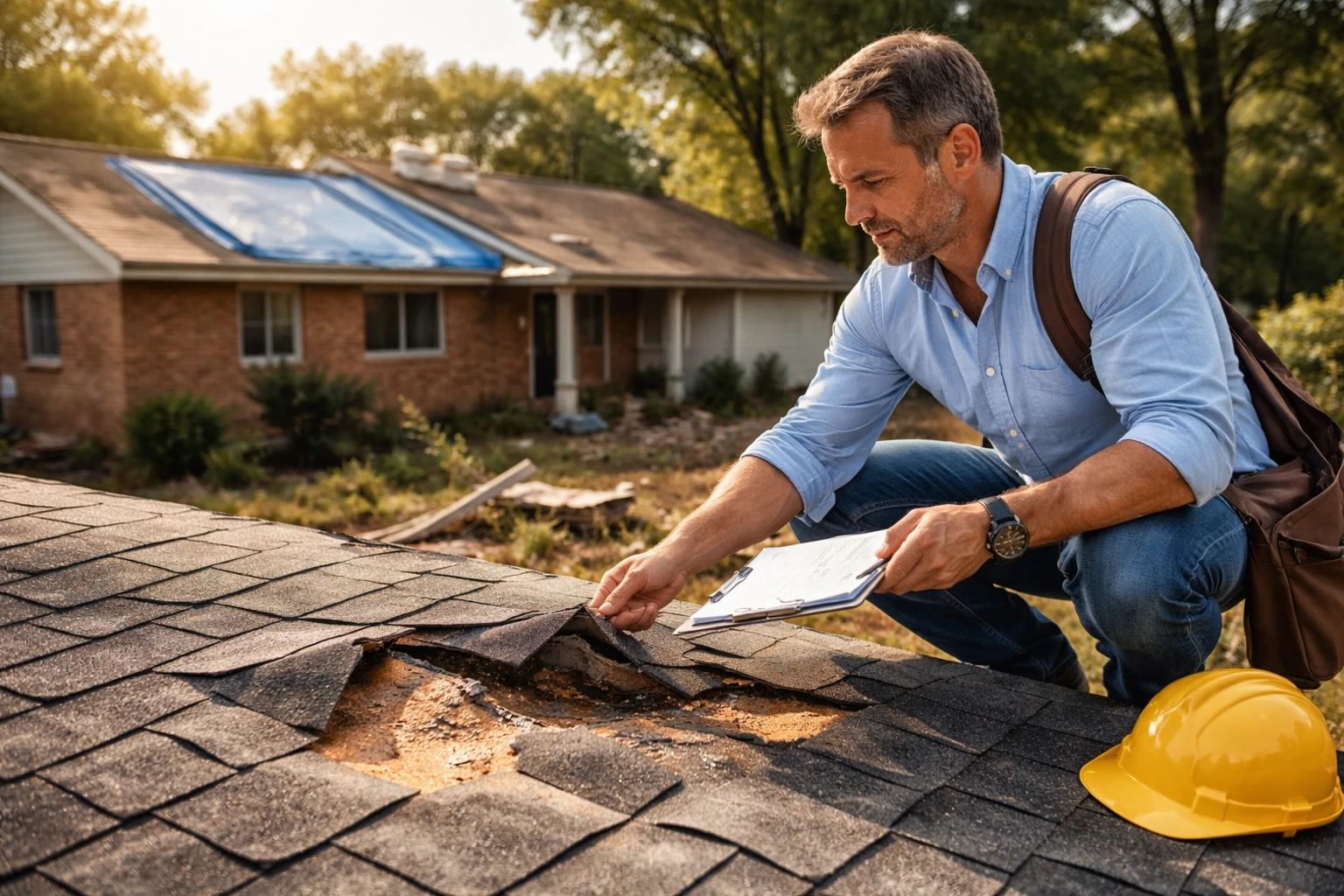
Insurance claims don’t fail because of bad luck. They fail because of timing. And understanding when to hire a public adjuster can be the difference between a stressful, underpaid claim and a fully supported recovery.
I’ve seen it happen both ways. Homeowners wait, hoping the process will “work itself out.” Others act early and take control from day one. The outcomes? Not even close.
If you’re dealing with property damage in Midland—or even just preparing for the possibility—this guide will walk you through the exact moments when bringing in a public adjuster makes sense, when it doesn’t, and how timing quietly shapes everything.
What a Public Adjuster Actually Does (And Why It Matters)
Let’s keep this simple.
A public adjuster works for you, not the insurance company.
That alone changes everything.
While an insurance company adjuster is tasked with protecting the insurer’s bottom line, a public adjuster is focused on maximizing your claim based on your policy coverage.
Here’s what they handle:
- Inspecting and documenting damage in detail
- Interpreting your insurance policy (line by line)
- Calculating the true cost of repairs or replacement
- Managing communication with the insurance company
- Negotiating the final settlement
This isn’t just paperwork. It’s strategy.
Because insurance claims aren’t just about what’s damaged—they’re about what can be proven.
The Short Answer: When to Hire a Public Adjuster

If you want it boiled down:
The best time to hire a public adjuster is immediately after property damage occurs—before or early in the claims process.
Here’s why timing matters so much:
- Early documentation = stronger evidence
- Early strategy = fewer mistakes
- Early negotiation = better leverage
Waiting feels safe. It’s not.
Situations Where Hiring a Public Adjuster Makes Sense
Not every claim needs one. But some situations practically demand it.
1. After Major Property Damage
If your home or building has experienced significant damage, this is the clearest signal.
Think:
- Hailstorms (common in Midland)
- High wind damage
- Fire incidents
- Water damage or burst pipes
In West Texas, hail alone can quietly cause thousands in roof damage that’s easy to underestimate. A quick glance won’t catch it. A professional assessment will.
This is one of the most critical moments to understand when to hire a public adjuster—right after damage, before anything is missed.
2. When the Insurance Offer Feels Too Low
You don’t need to be an expert to feel it.
Something’s off.
Maybe:
- The estimate doesn’t match contractor quotes
- Certain damages are excluded without clear explanation
- The payout barely covers repairs
This happens more often than people realize.
Insurance estimates are based on internal systems. They don’t always reflect real-world costs in Midland’s market. A public adjuster bridges that gap.
3. When Your Claim Is Denied
A denial isn’t always the end. It’s often just the first response.
Claims get denied for reasons like:
- “Insufficient evidence”
- “Damage not covered”
- “Pre-existing condition”
Here’s the truth: many denied claims can be challenged.
A public adjuster can reassess the damage, rebuild documentation, and reopen negotiations. Timing still matters here. The sooner you act after a denial, the better your chances.
4. When the Process Feels Overwhelming
Insurance claims are not designed to be simple.
They involve:
- Deadlines
- Technical language
- Detailed documentation
- Constant back-and-forth communication
After property damage, you’re already dealing with disruption. Adding a full-time claims process on top of that? It’s a lot.
If you’re asking yourself when to hire a public adjuster, this is a strong signal.
Because peace of mind has value too.
5. When You Simply Don’t Have Time
Let’s be real.
Most homeowners and business owners are busy.
Handling a claim properly requires:
- Scheduling inspections
- Reviewing estimates
- Following up with insurers
- Tracking every detail
That’s hours. Sometimes dozens of hours.
A public adjuster takes that load off your plate—while often improving the outcome.
When You Might Not Need a Public Adjuster
Not every situation calls for one. And being honest about this builds trust.
You may not need a public adjuster if:
- The damage is minor and clearly covered
- The insurance company is responsive and fair
- The settlement matches contractor estimates
- The process is straightforward and moving quickly
In these cases, the cost of hiring one may outweigh the benefit.
The key is awareness—not assumption.
How Timing Changes Everything
Let’s look at this clearly.
| Timing of Hiring | What Happens | Risk Level |
| Immediately after damage | Full documentation, strong claim, better negotiation | Low |
| Mid-claim | Some missed details, partial recovery | Medium |
| After settlement | Limited options to change outcome | High |
The earlier you act, the more control you have.
Late decisions often mean working around mistakes that can’t be undone.
The Hidden Cost of Waiting Too Long
This is where many homeowners lose money—without realizing it.
Here’s what waiting can cost you:
- Missed damage: Some issues worsen or become harder to prove over time
- Incomplete documentation: Photos and reports taken too late lack impact
- Locked-in estimates: Once accepted, settlements are difficult to reopen
- Reduced leverage: The insurance company has already set the narrative
Timing isn’t just a detail. It’s leverage.
And understanding when to hire a public adjuster early prevents these problems before they start.
What Happens After You Hire a Public Adjuster
If you’ve never worked with one, here’s what the process typically looks like:
Step 1: Initial Consultation
They assess your situation and determine if they can help.
Step 2: Policy Review
They break down your coverage—what’s included, what’s not, and where opportunities exist.
Step 3: Damage Documentation
This is where the real work begins. Detailed inspections, photos, reports.
Step 4: Claim Filing or Revision
They either file the claim properly or strengthen an existing one.
Step 5: Negotiation
Back-and-forth with the insurance company to reach a fair settlement.
Step 6: Settlement
Final agreement and payout.
Clear. Structured. Strategic.
A Simple Checklist to Help You Decide
Still unsure when to hire a public adjuster? Use this quick checklist:
- Has your property suffered noticeable damage?
- Are you unsure what your policy actually covers?
- Does the insurance estimate seem low or incomplete?
- Are you feeling overwhelmed by the process?
- Do you lack time to manage the claim properly?
If you answered “yes” to two or more, it’s time to seriously consider bringing one in.
Why Midland Homeowners Face Unique Risks
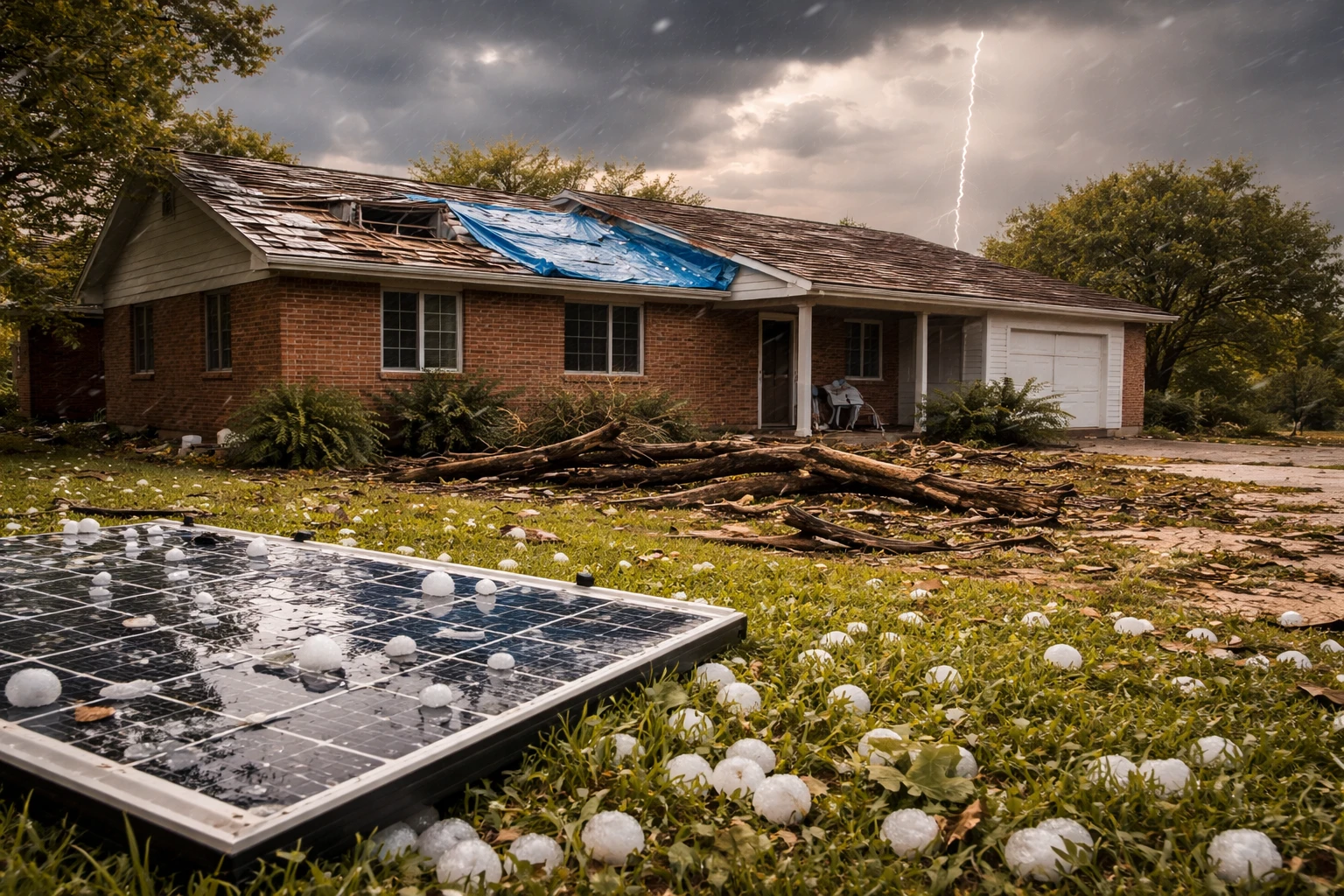
Midland isn’t a low-risk environment.
The region regularly deals with:
- Hailstorms that damage roofing systems
- High winds that impact siding and structures
- Extreme heat that accelerates wear and tear
These factors make accurate damage assessment more difficult—and more important.
Local conditions matter. And so does local experience.
Common Mistakes That Cost Homeowners Money
These are the patterns that show up again and again:
- Waiting too long before taking action
- Accepting the first insurance estimate without question
- Failing to document damage thoroughly
- Assuming the insurance company will “handle everything fairly”
- Trying to negotiate without understanding policy language
Each of these mistakes ties back to one core issue: timing.
Why Hiring at the Right Time Pays Off
When you get the timing right, the benefits stack up quickly:
- More accurate claim valuations
- Stronger documentation from the start
- Less personal stress and time commitment
- Better negotiation outcomes
- Higher likelihood of a fair settlement
This isn’t about complicating the process.
It’s about doing it right the first time.
Final Thoughts: Timing Is the Decision That Shapes Everything
Here’s the bottom line.
Most people don’t lose money on insurance claims because they made a bad decision. They lose money because they made a late one.
Understanding when to hire a public adjuster gives you an edge most homeowners don’t have. It lets you act early, document properly, and negotiate from a position of strength.
Wait too long, and you’re reacting.
Act early, and you’re in control.
And when it comes to protecting your property, your finances, and your peace of mind—that control matters more than anything.
FAQs
You should hire a public adjuster as soon as possible after damage occurs, ideally before or early in the claims process.
Yes, you can hire one at any stage, but earlier involvement usually leads to better outcomes.
No, a public adjuster can often help reopen or challenge a denied claim if there’s valid supporting evidence.
In many cases, they help uncover overlooked damages and negotiate more accurate settlements.
If it doesn’t match repair estimates or seems incomplete, it’s worth having a public adjuster review it.
They are most beneficial for larger or complex claims, but they can also help with moderate losses if issues arise.
Most work on a contingency basis, meaning they receive a percentage of the final settlement.
Yes, they assist both residential and commercial property owners with claims and negotiations.
Not necessarily—while they may take time to document properly, they often streamline communication and avoid costly mistakes.
If your claim is complex, undervalued, or stressful to manage, hiring one can provide both financial and practical benefits.